Beyond the 2% Drop: Decoding Silver''s Price Plunge in India Amid Global Uncertainty
A recent 2% drop in silver prices in India is more than a simple market fluctuation;

Beyond the 2% Drop: Decoding Silver's Price Plunge in India Amid Global Uncertainty
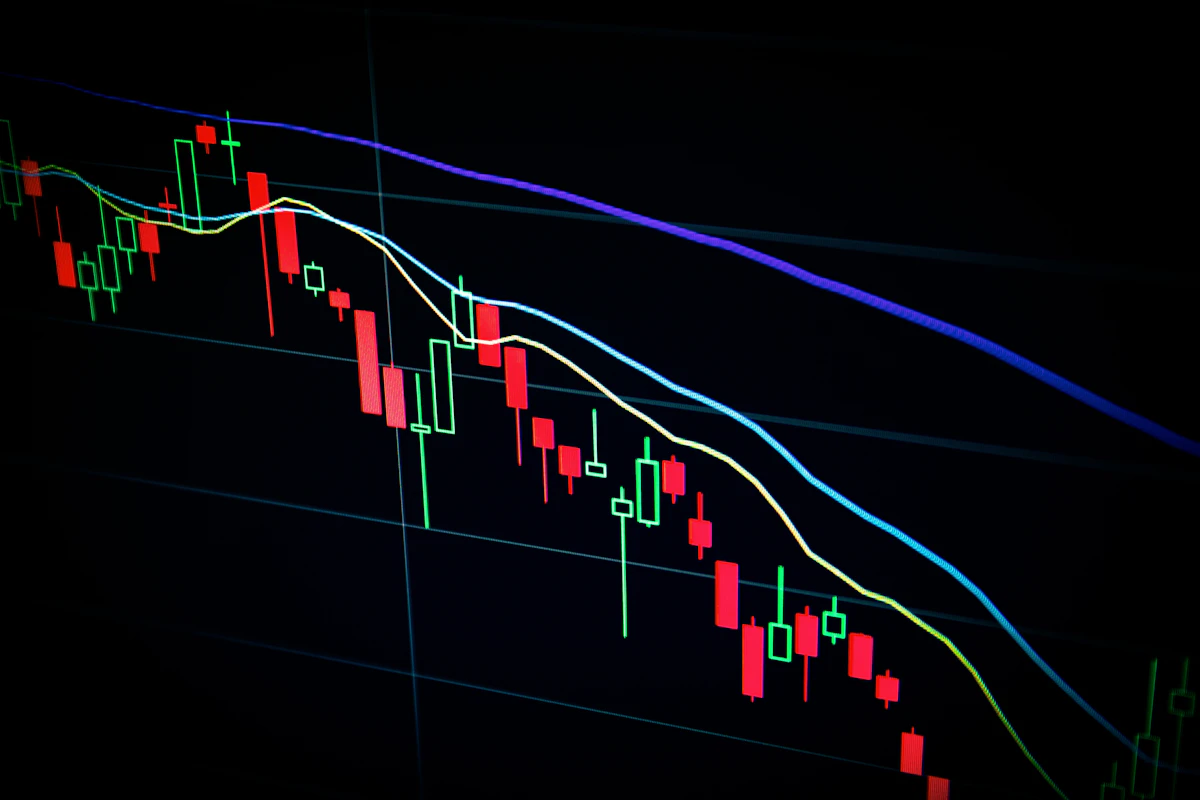
An abstract representation of market volatility. (Image: Generated per prompt)
The Signal in the Sell-Off: More Than Just a 2% Dip
Silver prices in India declined by approximately 2% in a recent trading session. (Source 1: [Primary Data]) This movement extends a pattern of heightened volatility observed in the domestic commodity market. The decline is not an isolated event reflecting local supply-demand dynamics but a symptom of a global recalibration of risk appetite. India's commodity market, particularly for precious metals, functions as a reactive gauge to international capital flows and sentiment, rather than a proactive driver of price discovery. The domestic price, quoted in Indian rupees per kilogram, is primarily dictated by the international benchmark adjusted for currency fluctuations and import duties.
Recent volatility in domestic silver prices. (Image: Illustration)

The Dual Triggers: Geopolitics Meets Macroeconomic Anxiety
The price action was precipitated by two concurrent global factors. First, escalating geopolitical tensions in the Middle East typically foster a "risk-off" environment. While such conditions historically bolster pure safe-haven assets like gold, silver's dual identity as both a monetary and industrial metal creates complex price dynamics. In scenarios where geopolitical strife threatens global economic growth, silver's industrial demand outlook can be negatively perceived, leading to underperformance relative to gold.
Second, and more critically, the sell-off occurred immediately ahead of the scheduled release of United States Consumer Price Index (CPI) inflation data. (Source 1: [Primary Data]) This exemplifies a "pre-emptive sell-off" phenomenon, where market participants adjust positions in anticipation of data that could influence central bank policy. The specific fear embedded in this reaction is that persistently high inflation data would compel the U.S. Federal Reserve to maintain a restrictive monetary policy for longer, strengthening the U.S. dollar and increasing the opportunity cost of holding non-yielding assets like silver. Historical analysis from market data indicates that silver has exhibited sensitivity to such anticipatory positioning ahead of major U.S. macroeconomic releases.
The Trader's Map: Deciphering Key Support and Resistance Levels
In response to the decline, analysts identified specific technical price levels considered crucial for near-term direction. (Source 1: [Primary Data]) These levels, derived from historical price action, represent concentrations of buy (support) and sell (resistance) orders. A decisive breach below a key support level often triggers algorithmic and stop-loss selling, potentially accelerating declines. Conversely, a rebound from support can signal a consolidation phase.
For traders, these levels serve as risk management parameters. The current proximity to identified support raises the question of whether it represents a value zone for long-term accumulation or merely a pause before a deeper correction. The answer hinges on the subsequent behavior of the triggering macro variables—geopolitical developments and the actual, versus anticipated, U.S. inflation print.
Key technical levels in silver futures. (Image: Illustration)
The Unseen Ripple: Implications for India's Silver Ecosystem
The price volatility transmits directly into India's physical silver ecosystem. Lower rupee-denominated prices could theoretically stimulate demand from the jewelry and industrial sectors, which collectively account for a significant portion of domestic consumption. However, in periods of acute uncertainty, price declines can paradoxically freeze purchasing activity as buyers anticipate further drops, a behavior known as "catching a falling knife."
India, a net importer of silver, also experiences shifts in the arbitrage between the London Bullion Market Association (LBMA) price and the domestic price on the Multi Commodity Exchange (MCX). A weakening rupee or changes in import premiums can alter the economics for refiners and wholesalers. This volatility presents a dilemma for portfolio strategists: it underscores silver's speculative nature and sensitivity to global dollar liquidity, while also highlighting its potential role as a tactical hedge against currency depreciation and long-term inflationary trends within a diversified Indian asset portfolio.
Navigating the Uncertainty: Strategic Implications
The immediate trajectory for silver prices in India remains contingent on external data and events. The release of the U.S. inflation data will validate or negate the market's pre-emptive fear, leading to either a reversal or an extension of the prevailing trend. Concurrently, any escalation or de-escalation in Middle Eastern tensions will adjust the global risk premium priced into commodities.
For market participants, the episode reinforces several operational realities. Indian prices will continue to follow global cues with high correlation. Effective positioning requires monitoring international macroeconomic calendars and dollar strength, in addition to local fundamentals. Furthermore, such volatility highlights the importance of defined risk parameters, whether based on technical levels or fundamental valuation models. In the longer term, recurrent phases of volatility driven by global macro forces may incentivize greater hedging activity among Indian industrial consumers and importers, potentially deepening the domestic market's derivative infrastructure. The prevailing condition is one of reactive adjustment, with India's silver market serving as a clear barometer for global capital's shifting appetite for risk and inflation-sensitive assets.