Contrarian Bet: Why Retail Investors Bought Tesla''s 6% Dip Despite Market
In late June, Tesla's stock experienced a notable 6% decline. Contrary to

Contrarian Bet: Why Retail Investors Bought Tesla's 6% Dip Despite Market Skepticism
The Contrarian Signal: Decoding the Dip-Buying Phenomenon
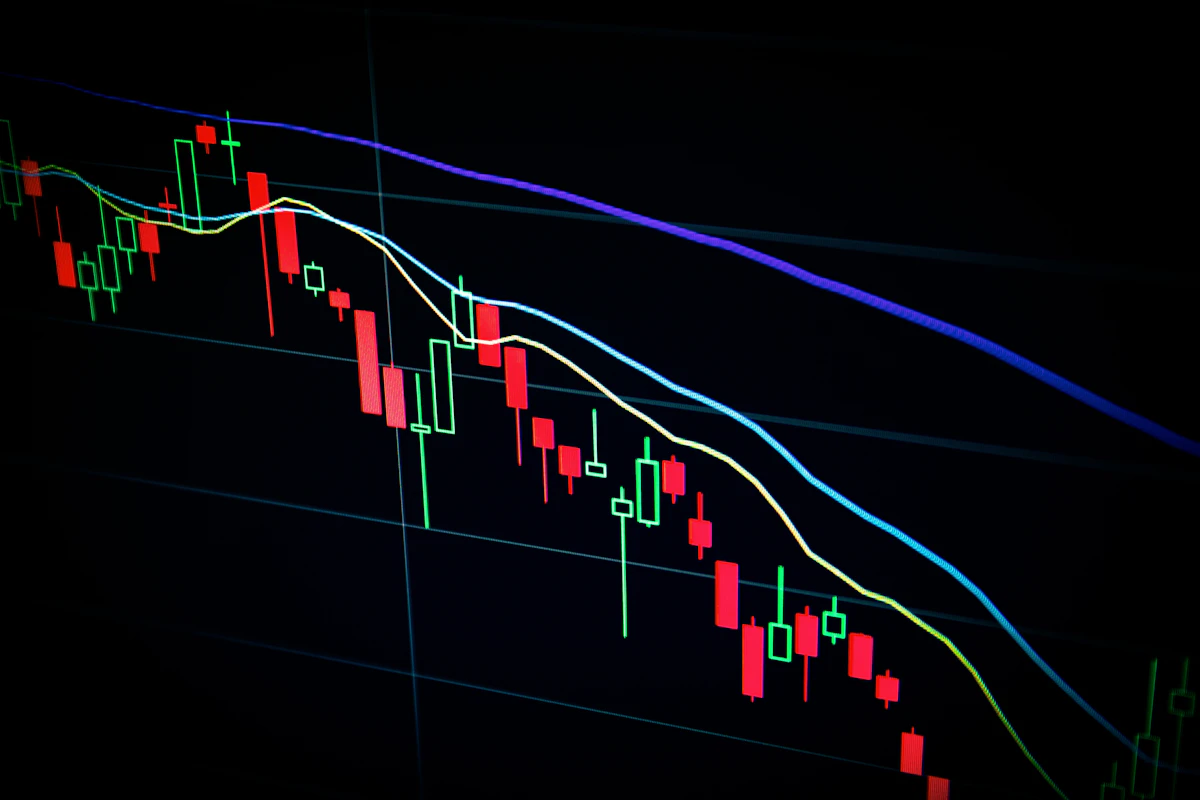
Between June 24 and June 28, Tesla Inc.'s stock price experienced a pronounced decline, shedding approximately 6% of its value. This movement aligned with a period of broader market reassessment of growth equities and company-specific headwinds. Contrary to the typical expectation of a correlated retail sell-off, data from Vanda Research indicates a countervailing force: retail investors were net buyers of Tesla shares during this same five-day window (Source 1: VandaTrack Data). This divergence presents a clear analytical puzzle. The central question is whether this activity represents a calculated pursuit of long-term value at a discounted price, a behavioral phenomenon rooted in unwavering brand loyalty, or a potential misinterpretation of prevailing market signals. The empirical observation of buying during a decline demands a move beyond surface-level narrative to examine the underlying mechanics of modern market participation.
Beyond Fandom: The Hidden Logic of Retail Market-Making
The immediate characterization of retail net buying as irrational "dumb money" opposing institutional wisdom is an increasingly inadequate framework. A more nuanced hypothesis is that a segment of retail investors is effectively performing a function akin to informal market making. During periods of concentrated institutional selling or reduced liquidity, these aggregated small-scale buy orders can provide a stabilizing bid. For Tesla, a stock with a highly visible retail shareholder base, this activity may reflect a strategic accumulation pattern known as dollar-cost averaging. Investors with a strong long-term conviction in the company's trajectory may systematically add to positions during price weakness, viewing short-term volatility as an opportunity rather than a threat. This behavior transforms a dip from a purely negative signal into a potential liquidity event for committed holders, suggesting a depth of holder commitment that transcends daily price action.

VandaTrack's Lens: Verifying the Retail Sentiment Pulse
The ability to identify this contrarian flow with precision is a relatively recent development in market analytics. Vanda Research's data product, VandaTrack, provides a critical empirical anchor for this analysis. The platform aggregates and anonymizes order flow from a significant sample of retail brokerage firms, offering a near-real-time view of net buying and selling activity across individual securities and the broader market. The verification that retail investors were net buyers of Tesla from June 24 to June 28 originates from this specific dataset (Source 2: Vanda Research Analysis). This transparency into a once-opaque segment of the market allows for a move from speculation to evidence-based behavioral finance. It confirms that the activity was a measurable net inflow, distinguishing it from anecdotal reports or social media sentiment, and provides a credible foundation for assessing its market impact.

The Ripple Effect: Implications for Tesla and Market Structure
The sustained presence of retail buyers during declines carries specific implications for Tesla's market structure. A consistent retail bid can, in theory, establish a higher and more resilient price floor than fundamentals alone might dictate, potentially reducing downside volatility. This event is a microcosm of a broader post-GameStop power shift, where retail cohorts, empowered by zero-commission trading and information networks, can collectively influence price discovery and challenge institutional hegemony. The critical forward-looking question is whether this signifies a durable evolution toward a more hybrid and resilient shareholder base for growth-oriented companies. An alternative outcome is that such activity merely delays a fundamental price correction, potentially amplifying volatility if retail conviction eventually wanes and selling pressure aligns across both institutional and retail segments.
Conclusion: Separating Noise from a New Signal
The net buying of Tesla stock by retail investors during its late-June decline is most accurately interpreted as a hybrid signal. It combines elements of strategic accumulation by investors executing a long-term plan with the behavioral conviction of a dedicated shareholder base. The availability of granular data from platforms like VandaTrack transforms what was historically considered market "noise"—the scattered actions of individual investors—into a quantifiable and analyzable "signal." This signal does not guarantee a positive future price outcome for Tesla, but it does indicate a source of liquidity and demand that is less sensitive to short-term technical factors and headline sentiment than traditional institutional flows. The event underscores a structural change in market dynamics, where the actions of retail investors, when aggregated and measured, must be factored into any complete analysis of a security's supply and demand equilibrium.